
The Boutique Retailer's Guide to Wholesale Silk Sleepwear & Luxury Loungewear
How to curate a beautiful, commercially considered sleepwear collection for today's boutique customer.
Sleepwear has a unique place in fashion retail. It combines personal comfort with expressive design, offering retailers an opportunity to present products that feel practical, giftable, and thoughtfully styled.
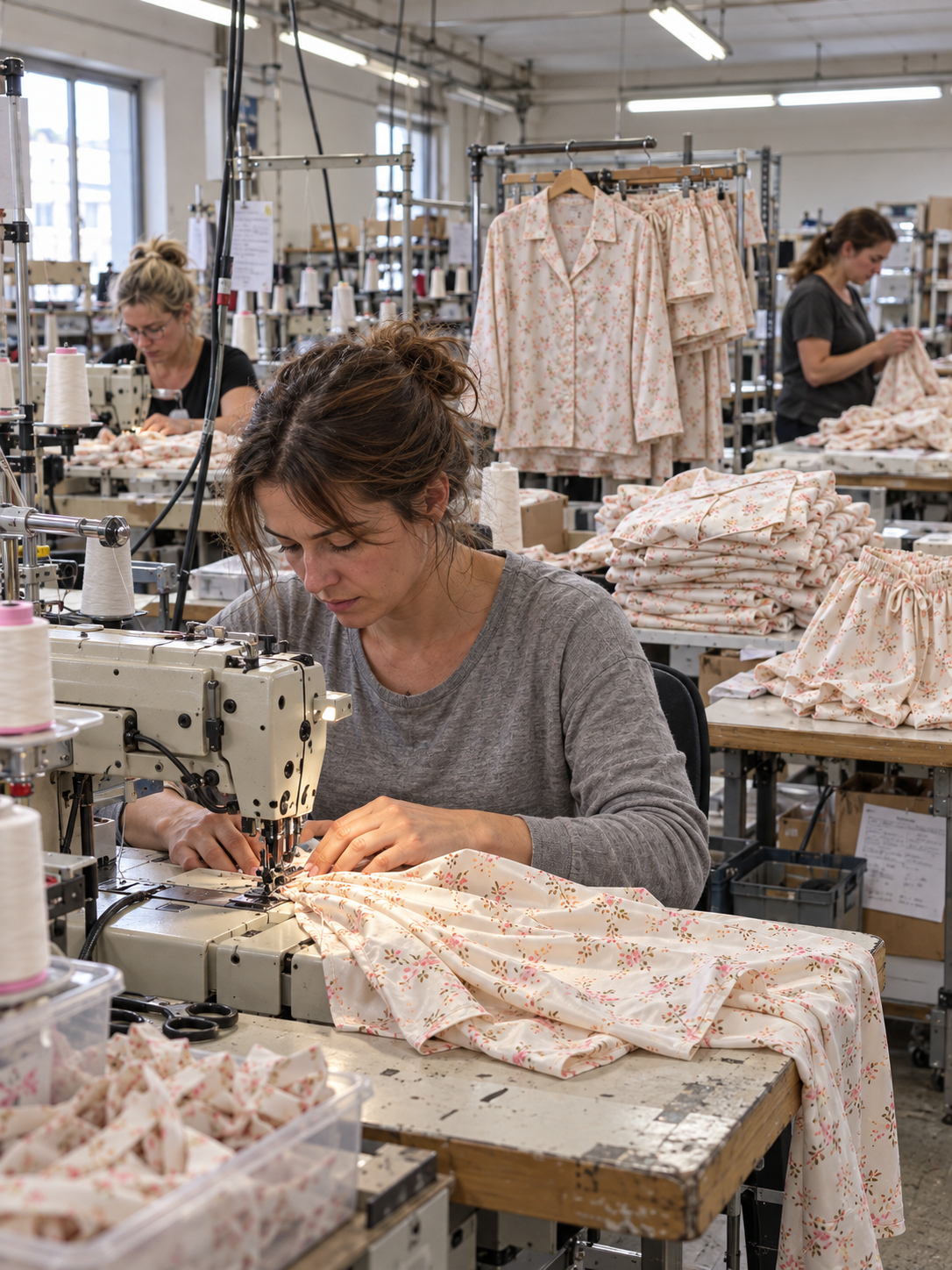
From romantic floral pajamas and timeless checked patterns to smooth sleep accessories and refined lounge essentials, a coordinated assortment can help define the character of a boutique.
In this guide, we explore how professional buyers can evaluate fabrics, choose complementary styles, plan size ranges, and build a distinctive wholesale sleepwear collection.

Why Sleepwear Deserves a Place in a Thoughtful Boutique Assortment
For retailers, sleepwear offers a different kind of product storytelling from everyday outerwear. Customers may choose pajamas for their personal routines, a gift for someone special, a holiday wardrobe, or an outfit for relaxed time at home.
These different purchasing occasions make sleepwear a versatile category to explore. A retailer can develop a focused selection of understated classics, feminine patterns, or occasion-oriented pieces without losing a coherent visual identity.
The most effective assortment is not necessarily the largest. It is the one that offers recognizable styling, useful size options, clear material information, and combinations that make sense for the store's audience.
At Calivane, our sleepwear range includes floral prints, checks, colorful motifs, and striped designs, providing several aesthetic directions for professional buyers evaluating boutique homewear collections.
Understanding Silk, Satin and Fabric Composition
Fabric terminology is one of the most important areas for wholesale buyers to understand. Material descriptions influence customer expectations, garment care, pricing decisions, and the accuracy of retail listings.
The terms silk and satin are sometimes used together in product marketing, but they describe different characteristics. Silk refers to a natural protein fiber, whereas satin describes a weave or finish that can be produced using different fibers.
| Material Term | What It Describes | What Retailers Should Verify |
|---|---|---|
| Mulberry Silk | A type of silk commonly associated with smooth, refined textile applications. | Confirmed fiber content, percentage, fabric weight where available, and care instructions. |
| Satin | A weave characterized by a smooth surface and often a noticeable sheen. | Actual fiber composition, such as silk, polyester, or a blend. |
| Polyester Satin | A satin textile made with polyester fibers. | Construction, feel, care information, and accurate retail material labeling. |
| Silk Blends | Fabrics combining silk with other fibers. | Exact fiber percentages and labeling requirements applicable to the sales market. |
Questions to Ask Before Buying
- Is the fabric composition supported by a supplier specification or label?
- Does the confirmed material information apply to every color and variant?
- What are the recommended washing and drying instructions?
- Are there differences in fabric weight, opacity, or surface texture?
- Can the supplier provide a sample or suitable product documentation?
When reviewing Calivane products, buyers should use the specifications confirmed for each individual item rather than assuming every satin-finish garment is made from natural silk.

Choosing Patterns That Create a Distinctive Collection
Pattern can give a sleepwear collection its personality. Rather than choosing every available print, retailers can develop a balanced assortment of familiar styles and more expressive designs.
Romantic Florals
Small floral patterns bring a gentle, feminine aesthetic to sleepwear. They complement boutique styling, spring collections, gifting, and relaxed homewear presentations.
Classic Checks
Green checks, blue checks, and smaller contrasting plaid designs provide a timeless visual direction. They can appeal to customers seeking a familiar, casual, and versatile look.
Soft Stripes and Geometric Motifs
Pink and green stripes or delicate diamond motifs offer alternatives to traditional florals. These patterns can introduce variety while maintaining a coherent color story.
A considered combination of prints helps the assortment feel curated rather than crowded.
Build a Collection With Different Customer Needs in Mind
Wholesale assortment planning is an exercise in balance. A strong selection may include everyday styles, visually distinctive pieces, and gift-oriented products, depending on the store's audience and positioning.
The Everyday Edit
Choose understated checks, soft stripes, and familiar pajama silhouettes. These designs are useful for presenting everyday relaxation and comfortable at-home dressing.
The Feminine Edit
Explore floral patterns, soft pink color stories, delicate motifs, and romantic details. This direction can complement boutique sleepwear and gift collections.
The Occasion Edit
Coordinate selected pajamas with appropriate sleep masks, pillowcases, or bridal-inspired slippers for gift-oriented merchandising and special occasions.
Retailers should also consider product photography, packaging requirements, seasonal relevance, and the amount of inventory space available for each category.
Rather than allocating equal quantities to every style, an initial assortment can be planned around the retailer's existing customer preferences and then adjusted using actual sell-through information.
“A considered sleepwear collection connects design, comfort, material clarity, and the everyday experiences of its customers.”

The Calivane Edit — Feminine Patterns, Classic Checks and Everyday Loungewear
Make Size Planning Part of the Buying Decision
One of the most common sources of customer confusion is relying on generic size conversions rather than product-specific measurements.
Sleepwear may have a relaxed silhouette, but individual designs can differ in sleeve length, shoulder width, chest measurement, rise, hip room, and overall garment length.
For US-facing retailers, it is useful to provide clear size labels alongside actual garment measurements in inches and centimeters whenever those measurements are available.
Before confirming an order, ask whether measurements refer to body dimensions or the finished garment. These are not interchangeable.
Also confirm whether available sizing is consistent between long-sleeve sets, shorter silhouettes, and other sleepwear styles.
Accurate sizing information supports more informed purchasing decisions and can reduce avoidable customer questions and fit-related returns.
A Practical Size Review Checklist
- Confirm the exact available sizes for each product.
- Request finished garment measurements rather than relying solely on S, M, L, or XL labels.
- Check whether the style is designed for a relaxed or closer fit.
- Identify measurement tolerances where provided.
- Ensure product pages show the correct measurements for the corresponding item.
- Do not use a size chart from another product unless the measurements have been verified.
How to Present Sleepwear for Boutique Customers
The way sleepwear is presented can influence how easily customers understand its design, intended use, and relationship to other merchandise.
For online stores, accurate imagery should show the full silhouette, material appearance, important finishing details, and relevant product variations. Customers also benefit from clear descriptions and honest material information.
For physical boutiques, group related pieces by color palette, design theme, or intended occasion. Combining soft florals with silk sleep accessories can create a romantic presentation, while classic checks may work well in a relaxed everyday homewear section.
Three Useful Merchandising Approaches
- Shop by Style: Organize merchandise into floral, checked, striped, and minimalist collections.
- Shop by Occasion: Present relevant products for travel, home relaxation, bridal mornings, and gift giving.
- Shop by Coordinated Category: Display pajamas alongside complementary sleep masks, pillowcases, or indoor slippers, without implying accessories are included unless sold together.
Consistent product information and a cohesive visual language help make the shopping experience more intuitive for customers.
What Wholesale Buyers Should Confirm Before Ordering
Attractive products are only one part of a successful buying decision. Retailers also need reliable commercial details to calculate costs, plan inventory, and understand their obligations.
Product & Inventory Information
- Confirmed fabric and fiber composition
- Available sizes, colors, and product variants
- Product-specific measurements and care details
- Current availability and stock limitations
- Individual product and packaging specifications
- Sample availability and evaluation options
Commercial & Logistics Information
- Wholesale unit pricing and applicable discounts
- Minimum order quantity or order value
- Accepted payment methods and invoice requirements
- Order preparation and estimated shipping times
- Import duties, taxes, and agreed delivery terms
- Returns, damaged goods, and order discrepancy procedures
For a supplier comparison, assess total landed cost rather than looking only at the item price. Freight, duties, transaction charges, and other costs can change the economics of a wholesale purchase.
Where commercially important, confirm the agreed details in writing before paying for a large order.
Expand the Story With Complementary Sleep Accessories
A thoughtfully selected sleepwear range can be complemented by related products that share similar visual themes or usage occasions.
For example, mulberry silk sleep masks can be introduced as sleep-related accessories, while satin lounge slippers may complement relaxed pajamas or bridal-inspired homewear.
These combinations provide opportunities for coordinated displays, seasonal collections, and gift-focused presentation.
Keep Product Claims Clear
When recommending coordinated products, retailers should clarify which items are sold individually and which are included in an actual gift set or bundle.
Claims about fiber content, light blocking, slip resistance, or other performance characteristics should reflect confirmed specifications rather than visual impressions alone.
Well-matched products can improve the coherence of a collection, but commercial outcomes depend on a retailer's audience, pricing, presentation, and actual purchasing behavior.

Build an Assortment That Works Across the Calendar
Sleepwear can be merchandised throughout the year, while particular colors, prints, and complementary products may suit different seasonal retail themes.
In spring, floral designs and lighter color palettes can support fresh, feminine presentations. Summer assortments may emphasize relaxed silhouettes and easy-to-style homewear pieces.
During fall and winter, retailers may choose more substantial-looking patterns, comforting textures, or gift-oriented displays according to the actual product materials and intended audience.
Bridal boutiques may focus on coordinated morning preparation looks, while gifting retailers can create displays around birthdays, holidays, and other celebrations.
These are merchandising approaches rather than guarantees of seasonal demand. Buyers should use their own historical sales, customer feedback, and inventory budgets to guide purchasing decisions.
Frequently Asked Questions About Wholesale Sleepwear
Is satin sleepwear always made from silk?
No. Satin refers to a weave or fabric finish and may be made from silk, polyester, or other fibers. Confirm the actual fiber composition before labeling or advertising the product.
Should a boutique start with every available print?
Not necessarily. A focused assortment based on customer preferences, color coordination, and an appropriate inventory budget may be easier to merchandise and evaluate.
Can different products be combined into one wholesale purchase?
This depends on the supplier's current assortment, stock availability, order minimums, and commercial conditions. Ask for confirmation before assuming mixed-product purchasing is available.
What should retailers check when purchasing silk sleepwear?
Verify fiber composition, product measurements, care requirements, confirmed colors, finishing details, packaging, and the applicable wholesale terms.
How can sleepwear be paired with gift accessories?
Retailers may present compatible sleep masks, pillowcases, or lounge slippers alongside pajamas as separate complementary items or as an actual bundle where the bundle contents and price are clearly specified.
A More Considered Approach to Wholesale Sleepwear
Building a successful boutique sleepwear assortment starts with understanding the customer and continues through careful product selection, accurate material information, considered sizing, and clear commercial planning.
Rather than focusing solely on visual trends, professional buyers can benefit from evaluating how individual styles work together as a collection and how the products align with their retail identity.
At Calivane, we explore this balance through patterned women's sleepwear, silk sleep accessories, and refined home footwear. Our wholesale-focused approach encourages buyers to review available products, confirm specifications, and discuss purchasing conditions relevant to their business.
For retailers seeking to introduce or expand their sleepwear assortment, thoughtful sourcing and clear product communication provide a practical foundation for a well-presented collection.
Leave a comment
This site is protected by hCaptcha and the hCaptcha Privacy Policy and Terms of Service apply.